What is LiDAR?
29 Apr, 2025

The automotive industry is undergoing one of the most profound shifts in its history as vehi...
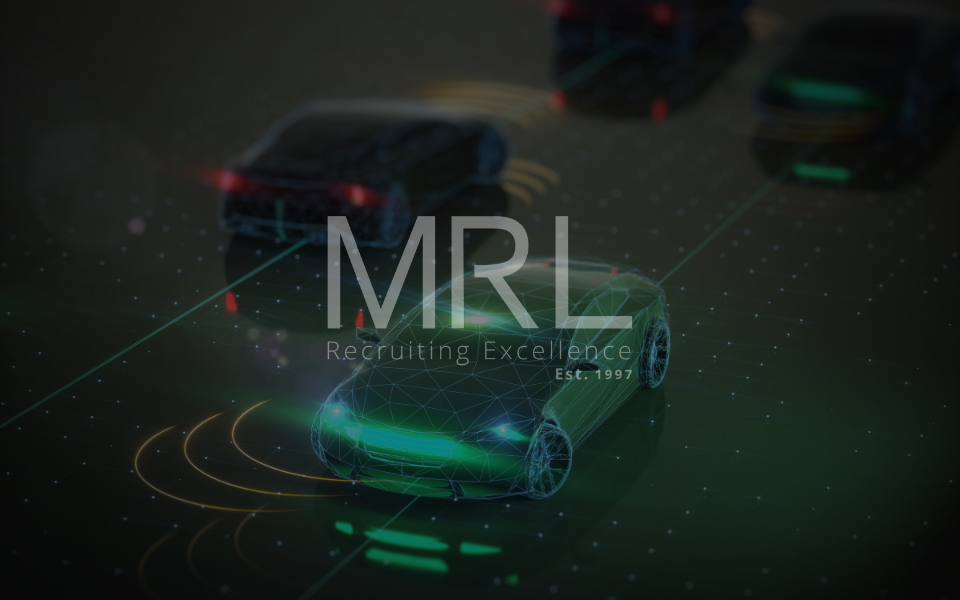
The automotive industry is undergoing one of the most profound shifts in its history as vehicles become smarter, safer and more autonomous. At the heart of this transformation are perception technologies such as radar and LiDAR (Light Detection and Ranging), which enable vehicles to “see” the world around them. These sensor systems feed data into advanced driver-assistance systems (ADAS) and autonomous driving stacks, making them indispensable as the sector evolves towards higher levels of automation. The market for these technologies is growing rapidly, reflecting their importance to future mobility.
With this heightened demand comes a corresponding skills challenge: recruiting and retaining the engineers, researchers and systems specialists who can design, develop and integrate these complex systems. This blog explores how automotive employers can attract top radar and LiDAR talent in 2026 and beyond.
Radar and LiDAR technologies serve complementary roles in vehicle perception systems. Radar, particularly imaging radar, excels in detecting objects at longer ranges and in varied weather conditions, while LiDAR provides high-resolution, three-dimensional mapping of a vehicle’s surroundings. Together, often integrated through sensor fusion algorithms, they form the backbone of ADAS and autonomous capabilities, enabling functions such as adaptive cruise control, collision avoidance and lane-keeping.
Market forecasts indicate robust growth for both radar and LiDAR segments. Radar systems are projected to expand significantly as safety regulations and autonomous driving aspirations push adoption, while the LiDAR sector is forecast to surge at double-digit compound annual growth rates as more manufacturers integrate these sensors into mainstream models.
This rapid technological advance means that demand for specialised talent, from hardware design to perception software, is increasing faster than supply.
Hiring managers must first understand the specific skills shaping perception technology hiring. Roles in this space are highly multidisciplinary and often require a blend of:
Sensor hardware engineering (radar/LiDAR system design, RF and optical engineering)
Perception software and algorithms (point-cloud processing, sensor fusion, AI/ML for object detection)
Embedded systems and firmware
Systems integration and test/validation, particularly for safety-critical environments like automotive (e.g., ISO 26262)
Candidates with experience across these areas are rare and often courted by multiple employers simultaneously. Employers that can clearly communicate the technical challenges and innovation opportunities of their projects will be better positioned to engage these specialists.
Traditional job descriptions often focus on generic requirements that fail to capture the nuance of radar and LiDAR work. To attract the right talent:
Use precise technical language that reflects actual project needs and technology stacks.
Highlight the specific sensor modalities, platforms and algorithms candidates will work on.
Specify tools, frameworks and languages relevant to perception tech (e.g. ROS, C++, Python, point-cloud libraries, FPGA/ASIC experience).
This clarity not only improves the quality of applications but also demonstrates to candidates that you understand and value their expertise, strengthening your employer brand in technical circles.
Perception technology talent is often drawn to organisations pushing the boundaries of what’s possible. Companies that successfully attract this talent do more than list roles online, they tell a compelling story about how their work contributes to safer, more autonomous mobility.
Consider investing in:
Technical thought leadership content (white papers, conference talks, podcast interviews)
Case studies of radar/LiDAR breakthroughs within your projects
Behind-the-scenes insights into engineering culture and problem-solving approaches
These efforts help position your organisation as a destination for innovative engineers, not just another automotive employer.
Given the specialised nature of radar and LiDAR, many candidates are emerging from research groups, postgraduate programmes and robotics or sensor technology hubs. Establishing relationships with universities and research centres can help you:
Access early-career talent with relevant research experience
Influence curricula to align with industry needs
Offer internships and collaborative projects that build a pipeline of future hires
These partnerships not only address immediate vacancies but also contribute to longer-term talent development within the ecosystem.
Top radar and LiDAR professionals receive multiple offers and often have high expectations around the recruitment experience. A slow or opaque process can quickly result in losing candidates to competitors. To mitigate this:
Define clear timelines and decision points
Include technical assessments that are rigorous but relevant
Provide prompt and constructive feedback throughout
Incorporating technical interviewers who can speak authoritatively about perception systems also enhances credibility with candidates.
While competitive base remuneration is essential, top perception tech candidates also weigh other factors heavily. Consider enhancing your value proposition with:
Flexible working arrangements and hybrid models
Clear professional development and skills-growth pathways
Opportunities to attend conferences and technical workshops
Support for relocation or visa sponsorship where relevant
These elements signal that you invest in your people, a crucial differentiator in a skills-short market.
Attraction is only the first step. Retention in radar and LiDAR roles hinges on providing ongoing intellectual challenge and career progression. Engineers working on perception systems typically thrive in environments where they can:
Tackle evolving algorithmic problems
Influence architectural decisions
Contribute to product roadmaps and safety cases
Ensuring that your organisation offers these opportunities reduces churn and builds deeper technical strength internally.
The rise of radar and LiDAR technologies represents an exciting frontier in automotive innovation, but it also intensifies the competition for highly specialised talent. Employers that take a thoughtful, proactive approach to recruitment, from precise role definition to compelling employer branding and robust candidate experiences, will be best placed to succeed in 2026 and beyond.
If you’re a hiring manager looking to secure the best radar and LiDAR engineers, or a professional seeking your next move in automotive perception tech, the specialist team at MRL Consulting Group is here to help. Contact us today to discover how we can support your hiring goals or your career progression.