How AI is Creating the Cognitive Luminaire
28 Apr, 2026

The era of treating light as a mere utility is over. In its place, the lighting and optics i...
The era of treating light as a mere utility is over. In its place, the lighting and optics industry is undergoing a sophisticated transformation where illumination counts for so much more. As global niche recruitment specialists, we are seeing a decisive shift in how the world's leading firms approach light; it is no longer just a functional tool for visibility, but a vital component of human performance and wellness.
Human-centric lighting (HCL) is at the heart of this evolution. By 2026, the global HCL market is projected to reach USD 4.52 billion, driven by an urgent demand for environments that support the health and productivity of their occupants. For manufacturers and engineering firms, this shift requires a new breed of talent that can bridge the gap between hardware, software, and human biology.
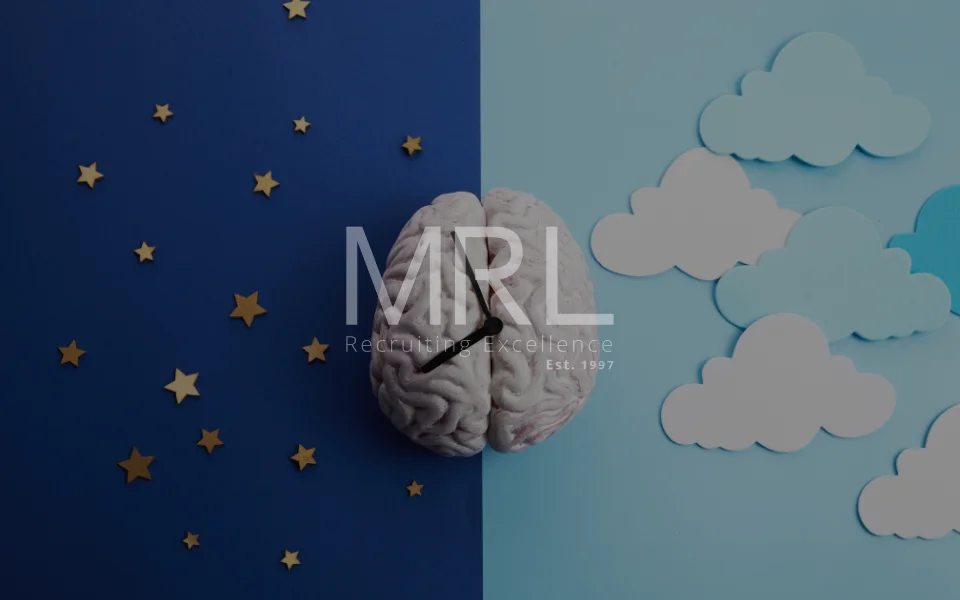
The primary objective of HCL is to mimic the natural progression of daylight. Traditional static lighting often disrupts our internal clocks, leading to fatigue and reduced concentration. In contrast, modern HCL systems use tunable LED technology to adjust colour temperature and intensity throughout the day.
This synchronisation is particularly critical in healthcare and high-pressure corporate environments. Leading firms like Signify and ams OSRAM are now deploying systems that provide high-intensity blue-enriched light in the morning to suppress melatonin and boost alertness, followed by warmer, dimmer tones in the evening to prepare the body for rest. Research suggests that these biological interventions can significantly reduce recovery times in hospitals and decrease absenteeism in the workplace.
As smart lighting integrates further with the Internet of Things (IoT), the role of the optical engineer is expanding. We are seeing a surge in demand for professionals who understand "Bio-dynamic" lighting, those who can design systems that respond not just to motion sensors, but to environmental data and user wellness metrics.
The software segment is currently the fastest-growing area of the smart lighting market, with a CAGR of 17.4%. Companies are no longer just hiring for mechanical or electrical expertise; they are competing for candidates skilled in AI-driven controls and wireless protocols like Zigbee and Matter. This "software-defined" future means that lighting firms are now in direct competition for talent with Silicon Valley tech giants.
In 2025 and beyond, lighting is becoming a cornerstone of biophilic design. Architects and designers are prioritising a seamless transition between the indoors and outdoors. This involves more than just large windows; it requires sophisticated optical engineering to ensure that artificial light complements natural light without creating glare or visual discomfort.
Firms such as Zumtobel Group and Lutron are pioneering this space, creating luminaires that evoke a sense of nature and calm. This multisensory approach is becoming a standard in the WELL Building Standard and other green building certifications, making expertise in wellness-centric design a highly marketable asset for senior engineers.
For organisations in the lighting and optics sector, the challenge is clear: the technical requirements for "beyond illumination" projects are becoming increasingly complex. To lead in this space, companies must secure individuals who possess a rare blend of optical design precision, software fluency, and an understanding of human physiology.
At MRL, we specialise in identifying this exact calibre of talent. Whether you are a firm looking to expand your smart lighting division or a senior professional seeking a role at the cutting edge of photonics and optics, our global network is designed to connect the innovators of tomorrow.
The future of lighting is human-centric. Is your team equipped to build it?